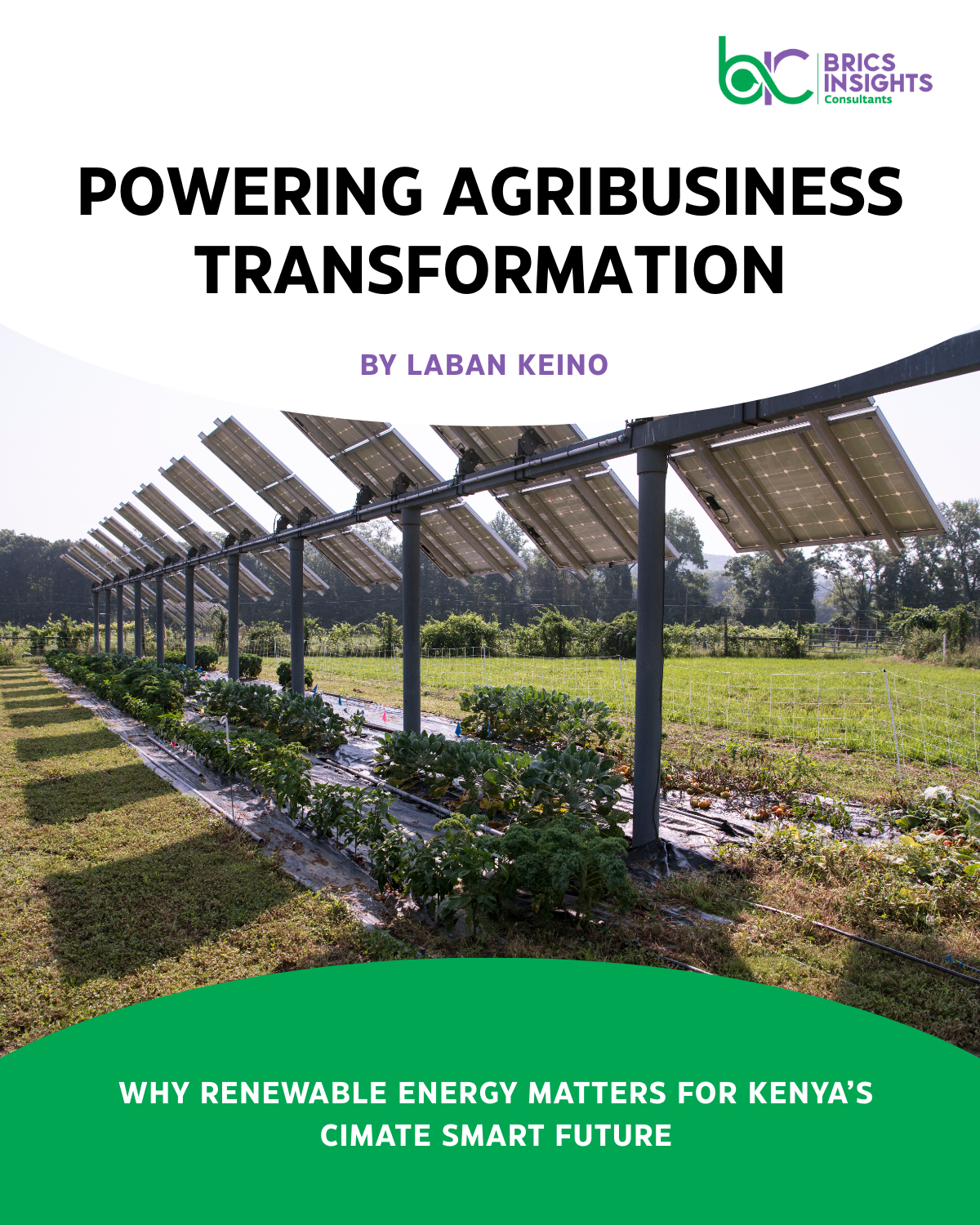
POWERING AGRIBUSINESS TRANSFORMATION: WHY RENEWABLE ENERGY MATTERS FOR KENYA'S CLIMATE SMART FUTURE
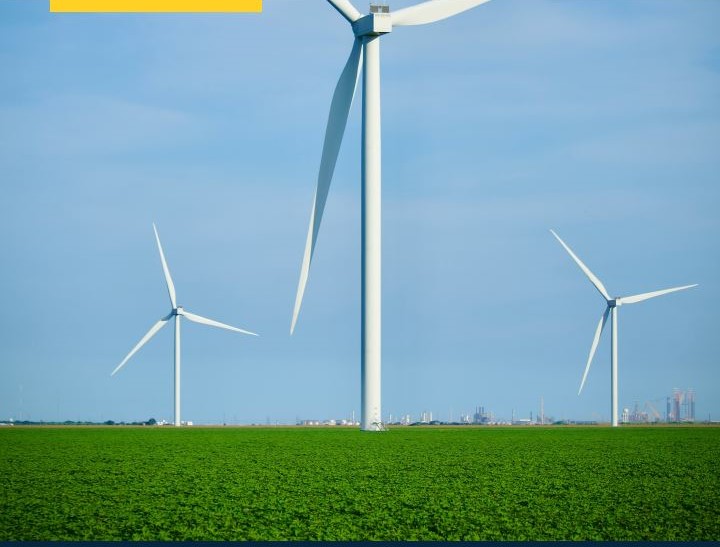
Despite agriculture employing a majority of rural households in Kenya, it remains highly vulnerable to rising input costs, weak rural infrastructure, and climate variability. Among the most persistent constraints is energy access. While Kenya has built a global reputation as a renewable energy leader at the grid level, with around 80 – 90 % of its electricity generated from renewable sources such as geothermal, hydro, wind, and solar, this success does not translate into reliable, affordable energy for agribusiness firms, especially in rural and peri-urban areas. This disconnect represents both a risk and a major opportunity. Renewable energy is no longer just an environmental add-on for agriculture but a core productivity input that can strengthen resilience across food systems, reduce emissions, and unlock value addition.
While Kenya has made strong advances in renewable energy policy, energy access, and climate planning, siloed implementation across energy, agriculture, and climate financing continues to slow the diffusion of proven solutions. To accelerate impact, policymakers and development actors should prioritize:
- Agricultural strategies at national and county levels that explicitly integrate renewable energy as a productive input, not just as infrastructure.
- Public and concessional finance focused on de-risking investments for agribusiness SMEs through blended finance, guarantees, and results-based incentives.
- Rural electrification and mini-grid programs designed around productive uses of energy, ensuring that agro-processing, cold storage, irrigation, and other value-adding activities anchor local demand.
Renewable energy is a strategic enabler of climate-smart agribusiness, not a peripheral intervention. Aligning energy, agriculture, and climate finance policies can unlock inclusive growth, strengthen resilience, and accelerate Kenya’s transition to a low-carbon food system creating real opportunities for productivity, employment, and sustainability in rural economies