Opinion Pieces

BRICS OPINION PIECES

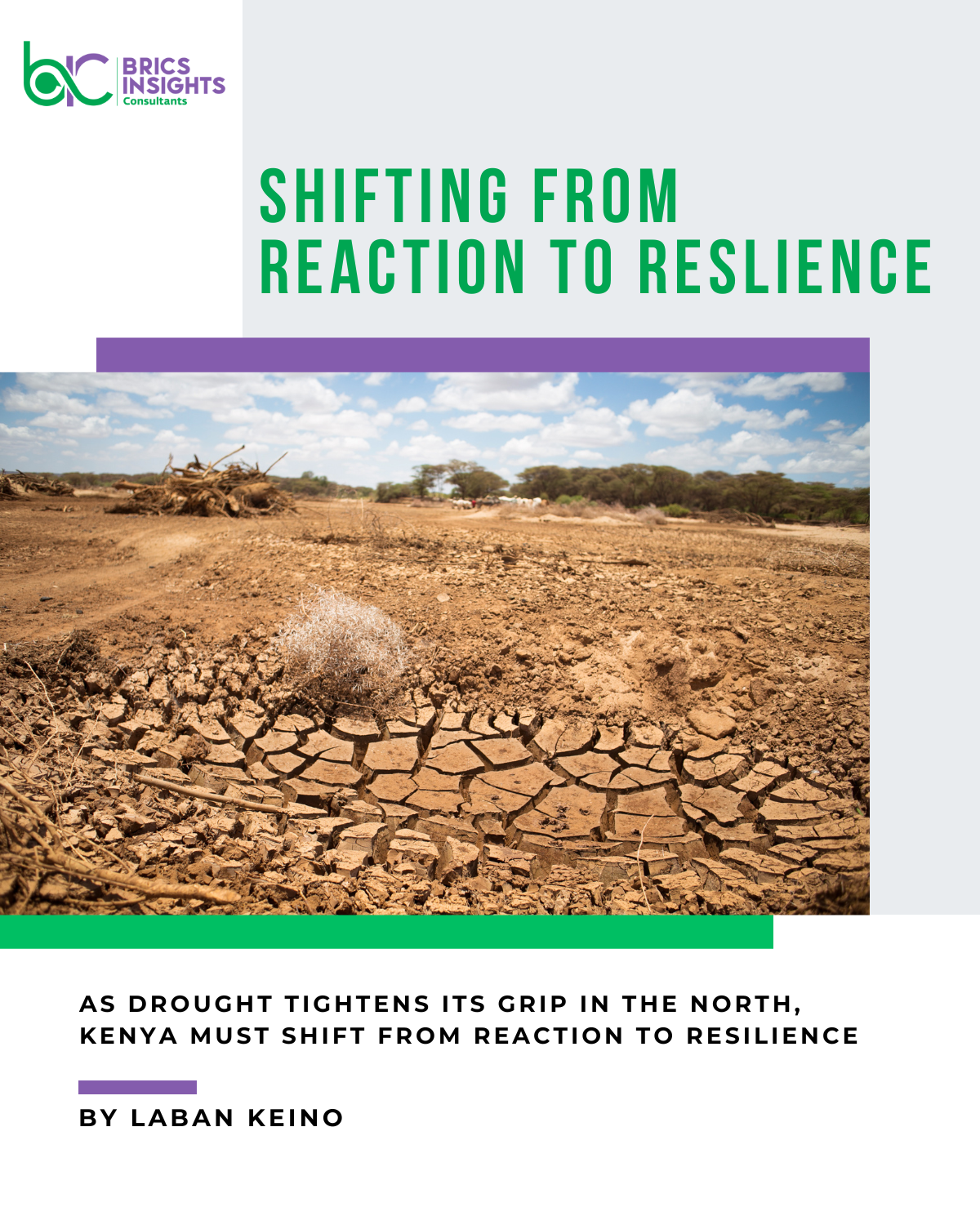
From Failed Rains to Failed Systems: As Drought Tightens Its Grip in the North, Kenya Must Shift from Reaction to Resilience


Drought in northern Kenya has become an intensifying and recurring climate shock, and its footprint is expanding. Recent figures paint a harsh reality. Towards the end of 2025, the critical October-December short rains fell between 30 % - 60 % of the normal, marking one of the driest seasons since 1980s. This failure follows back-to-back poor rainy seasons, leaving the region without the basic moisture needed to sustain water sources, crops, or pasture. 

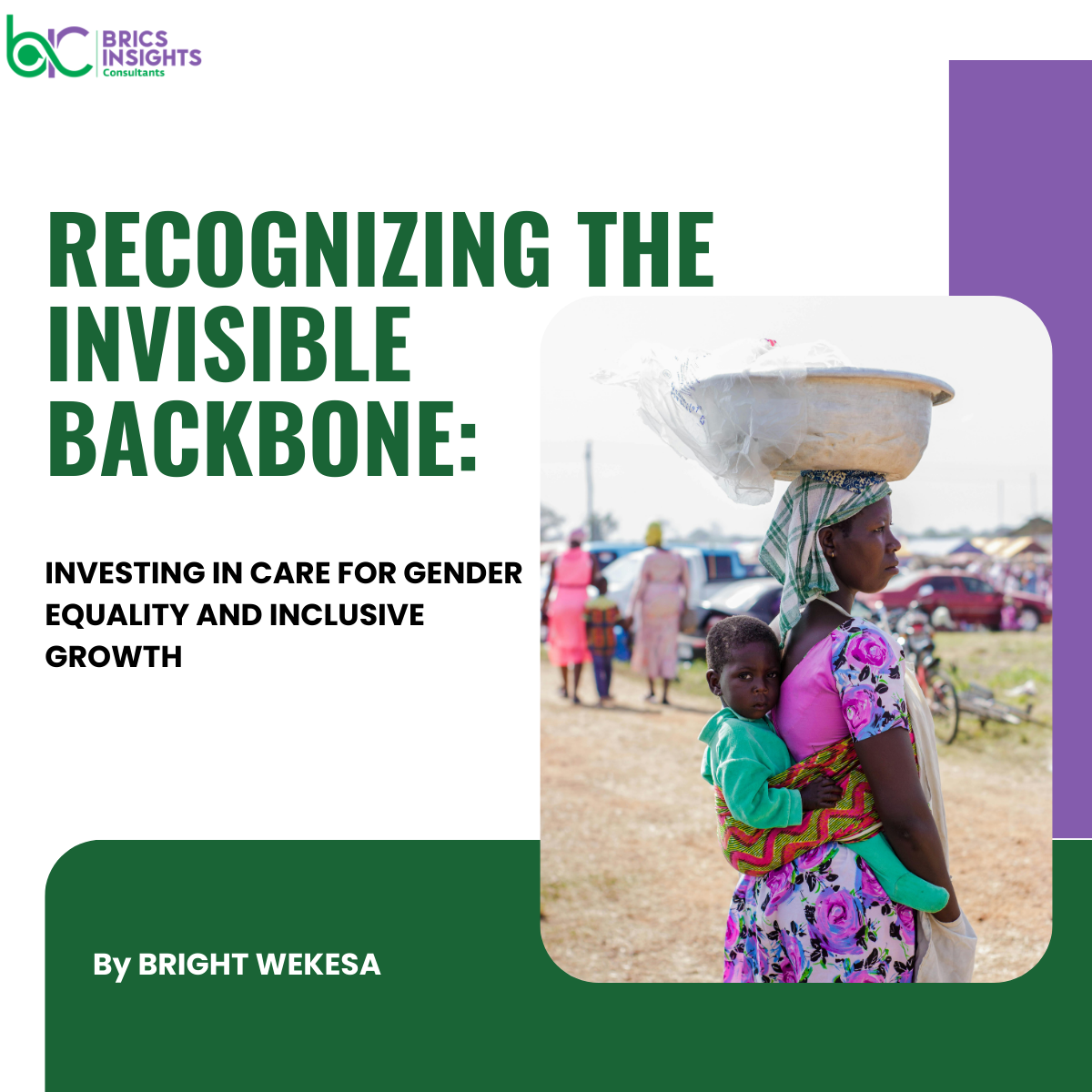
RECOGNIZING THE INVISIBLE BACKBONE: INVESTING IN CARE FOR GENDER EQUALITY AND INCLUSIVE GROWTH


Every year, the International Day of Care and Support reminds us of an often-overlooked truth, that care work is the invisible backbone of our societies and economies. From nurturing children and supporting the elderly to caring for persons with disabilities and maintaining household wellbeing, care work sustains life and fuels productivity. Yet, much of this work remains undervalued, underpaid, or entirely unpaid, disproportionately borne by women and girls across the world.

DEBT-FOOD SECURITY LINKAGE: BASIC INTEGRATED ANALYSIS OF THE STRUCTURAL FOOD SECURITY AND MACROECONOMIC VULNERABILITIES IN KENYA


This blog presents an integrated analysis of the structural linkages between food security and macroeconomic vulnerabilities in Kenya. Using data from the Economic Survey 2025 Food Balance Sheet (FBS) and the 2025/26 Debt Sustainability Analysis (DSA) published in the Budget Policy Statement (2026), it highlights how Kenya’s food availability, nutritional adequacy, and import reliance intersect with sovereign debt dynamics and external sector constraints.

THE DEBT FOOD SOVEREIGNITY NEXUS: UNVEIING THE HIDDEN COSTS


Across much of the developing world, and particularly in Africa, the relationship between sovereign debt and food sovereignty is no longer abstract, it is a pressing reality with deep implications for sustainable development, nutrition, and resilience.

According to the United Nations, global public debt reached a record $97 trillion in 2023, with developing countries holding about $29 trillion, roughly 30 % of the total, up sharply from 16 % in 2010. In Africa, the total debt stock is currently around $2 trillion and the median public debt-to-GDP ratio is around 62 %, reflecting the growing burden of debt servicing on national budgets.