
Our Services
Brics Offers you
Research and Evidence Generation
We facilitate processes that collect data on a wide range of topics, leading to informed decision-making.
The studies enable us to evaluate the effectiveness of private and humanitarian interventions, public policies and programs, providing valuable insights and observations for enhancing program delivery and influence a positive change in society. Our methodologies encompass participatory assessment methodologies.
Our teams gather and utilize high-quality data, both structured and unstructured, through comprehensive population surveys and administrative data. We help clients collect, analyze, and transform data into actionable insights.

Monitoring, Evaluation, Accountability and Learning
We assist in tracking and managing outcomes for development and humanitarian programs, with particular expertise in designing Agriculture and Social Impact evaluation systems.
Our capabilities extend to conducting independent formative assessments and evaluations in diverse settings, including fragile states, and across various sectors. We utilize both quantitative and qualitative methods to collect essential program data from targeted beneficiaries and key stakeholders. This data is crucial for fostering learning and knowledge management.
We remain actively involved in national, regional, and global dialogues to enhance the achievement of improved food security, Social Inclusion, climate change adaptation and at the same time promote the development and Gender Equality while adopting innovative tools for their monitoring.
Our extensive experience includes integrating Monitoring, Evaluation, and Learning (MEL) throughout program cycles, and we champion the use of Collaborative, Learning, and Adaptive (CLA) approaches. This ensures that program delivery is tailored to the unique complexities of the environments in which they operate.
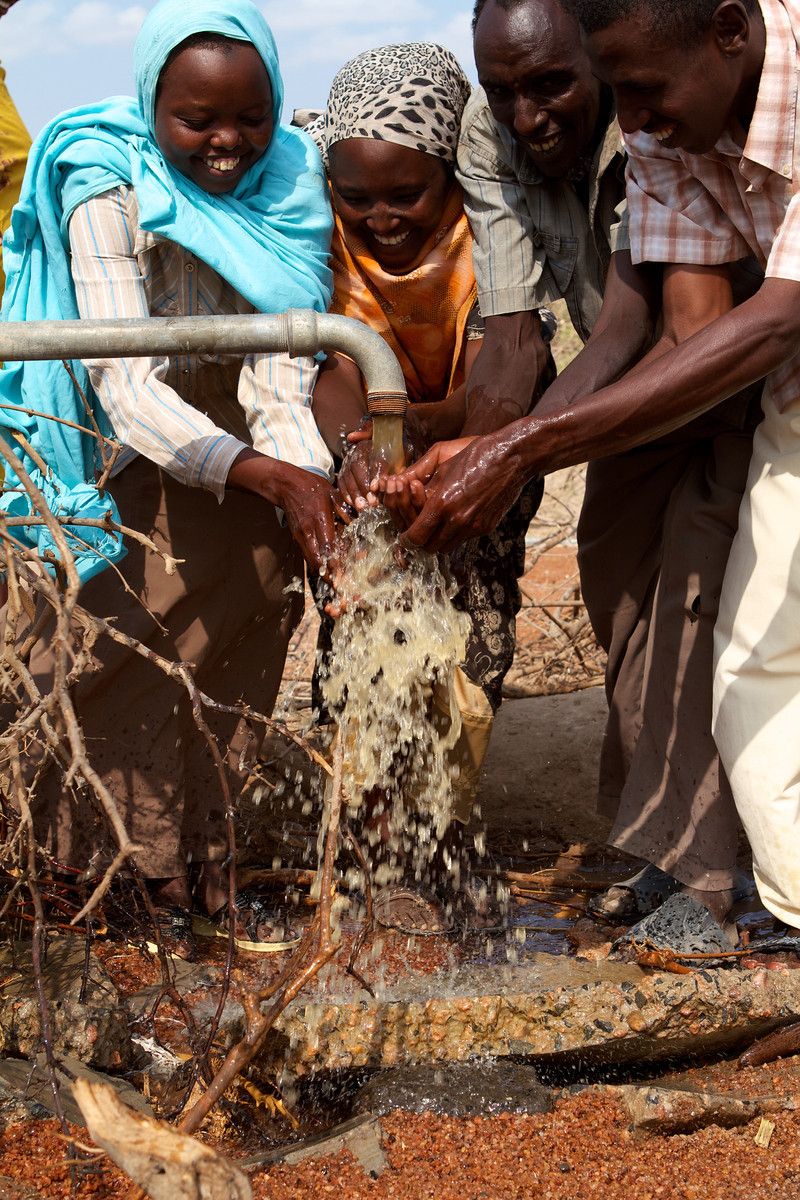
Innovations in Agriculture and Social Inclusion
We create platforms where agriculture and social policy professionals can shape development trends by exchanging knowledge and generating social value.
As one of East Africa’s largest hubs for structured global agriculture and social inclusion discourse, our innovation center enables sector practitioners and communities to connect freely, share knowledge, advance innovations, and exchange impactful ideas in a formal setting.
At our hub, innovators challenge conventional thinking and push boundaries. Our featured speakers are at the forefront of crowdsourcing humanitarian responses, driving policy changes, and leveraging innovative technology to enhance development practices, agricultural productivity, and social inclusion initiatives.
Among their notable innovations, they are developing simulation models, creating platforms for better data management, and using film and photography to change mindsets and visualize data, capturing the attention of policymakers.
By providing this dynamic and collaborative environment, we facilitate the exchange of transformative ideas and practices that drive meaningful agricultural development and social inclusion.

Programme Design & Strategy
We have global experience in the technical project concept note preparation, and operational design of cash transfers and inclusive, life-cycle social inclusion programs.
Broadly, we collaborate with our clients to clarify and articulate the logic that underpins their social inclusion and agricultural initiatives. We then help devise appropriate strategies and activities to achieve these goals in both development and humanitarian settings.
BRICS advocates a cyclical (as opposed to linear) design-evaluate-redesign approach, emphasizing the continual testing of Theories of Change and underlying assumptions based on an evolving understanding of context.
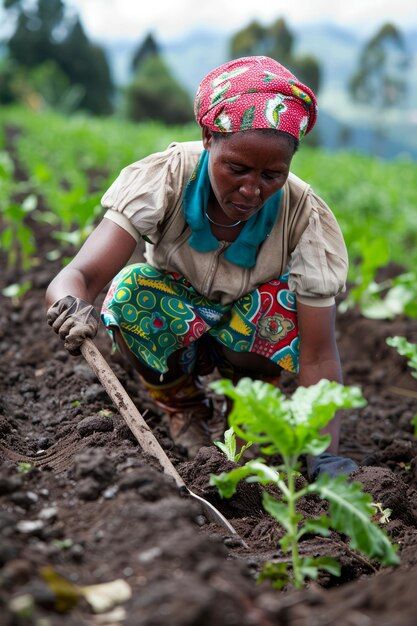
Knowledge Communication & Dissemination
We generate knowledge transfer materials for effective communication of the impact of agricultural projects to promote the scalability of successful initiatives.
We do this by clearly articulating the outcomes and benefits of these projects for stakeholders such as government officials, policymakers, private sector participants, donors, development partners, financial institutions, and local organizations.
We utilize a variety of communication tools, including detailed reports, success stories, visual data representations(infographics), and stakeholder meetings. This comprehensive approach aids in driving positive impact on the agricultural sector as a whole.