From Failed Rains to Failed Systems: As Drought Tightens Its Grip in the North, Kenya Must Shift from Reaction to Resilience
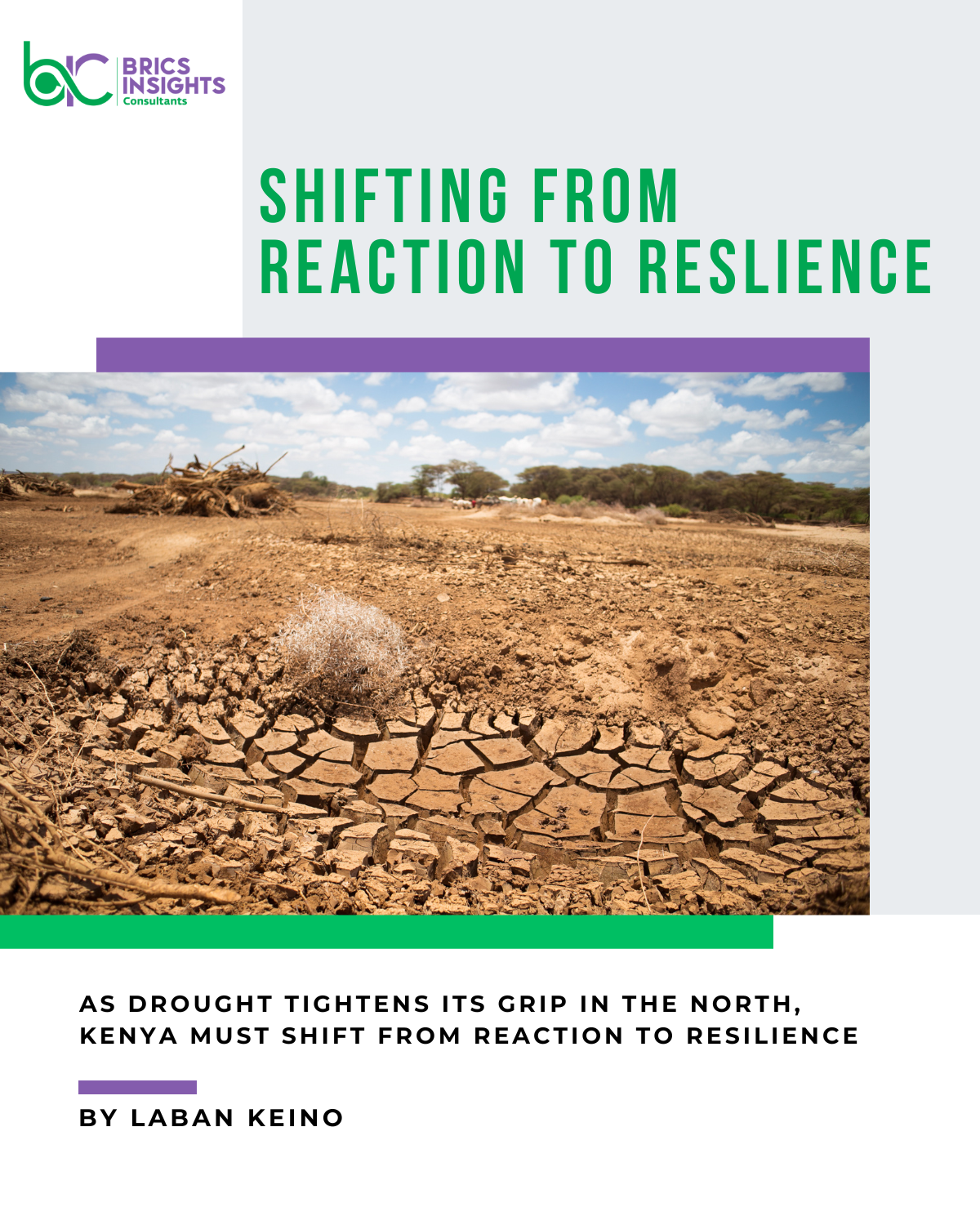
Drought in northern Kenya has become an intensifying and recurring climate shock, and its footprint is expanding. Recent figures paint a harsh reality. Towards the end of 2025, the critical October-December short rains fell between 30 % - 60 % of the normal, marking one of the driest seasons since 1980s. This failure follows back-to-back poor rainy seasons, leaving the region without the basic moisture needed to sustain water sources, crops, or pasture. As a result, the World Health Organization warns that more than 2.1 million Kenyans are now at heightened risk of hunger, malnutrition, and disease, with pregnant women and children under five among the most vulnerable. This is far from a momentary hardship. It is a prolonged climate catastrophe that strips communities of dignity, undermines health services, and destroys food systems. Pastoralist communities are watching herds weaken or die, forcing families to make impossible choices. Relief food arrives, yes, but as one elder from Isiolo’s remote drylands put it: “relief does not return our lost assets.”