CARBON FINANCE IN THE COFFEE SECTOR: UNLOCKING CLIMATE AND ECONOMIC OPPORTUNITIES FOR KENYA
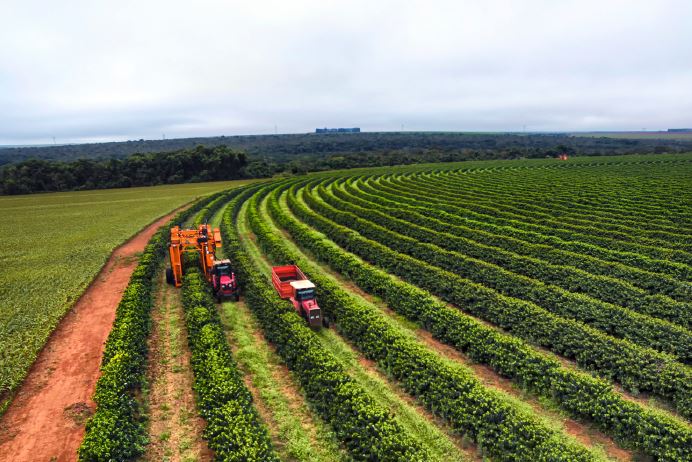
As the world intensifies efforts to combat climate change, carbon finance has emerged as a critical tool for supporting climate-resilient and low-carbon agricultural practices. In Kenya, where coffee is not only a key export but also a source of livelihood for over about 1.5 million households. It ranks third among Kenya’s top exports, behind tea and cut flowers. The total land area under coffee stands at about 110,000 hectares with nearly 80% of the land being under smallholder operations (with typically less than 5 hectares holdings). Further, Kenya produces about 40,000 metric tons of coffee annually (this had reduced significantly from over 100,000 MT in the 90s), with commercial hard value of USD 1.61 billion. But this value can be expanded when carbon trade is involved. For instance, estimates suggest that agroforestry on coffee farms could sequester 2-4 tons of CO2 per hectare per year, depending on tree density and species mix.
A case in point, between 2020 and March 2025, according to Farm Africa, over 21,500 smallholder farmers in Embu and Tharaka Nithi achieved 24,945 tCO₂e emitted reductions and the sale of an equivalent number of Carbon Removal Units (CRUs) under the VCM. My estimate of the revenue from this initiative would be US $249,450 at ~US $10/tCO₂e. If this is the case, with concerted attention to this endeavour, more benefits could be simultaneously attained for humans and nature. Carbon finance presents both an opportunity and a challenge. This article explores the benefits, opportunities and challenges in Kenya’s coffee sector.