World Wildlife Day 2026 | Conserving Health, Heritage and Livelihoods in Kenya
World Wildlife Day 2026 | Conserving Health, Heritage and Livelihoods in Kenya
As we mark World Wildlife Day, the global theme:“Medicinal and Aromatic Plants: Conserving Health, Heritage and Livelihoods” resonates strongly with Kenya’s growing challenge of balancing biodiversity conservation with community wellbeing.
In Kenya’s arid and semi-arid lands (ASALs), medicinal and aromatic plants are not just part of ecosystems, they are part of everyday survival. 60–80% of Kenya’s rural population relies on traditional medicine and herbal remedies for primary healthcare.
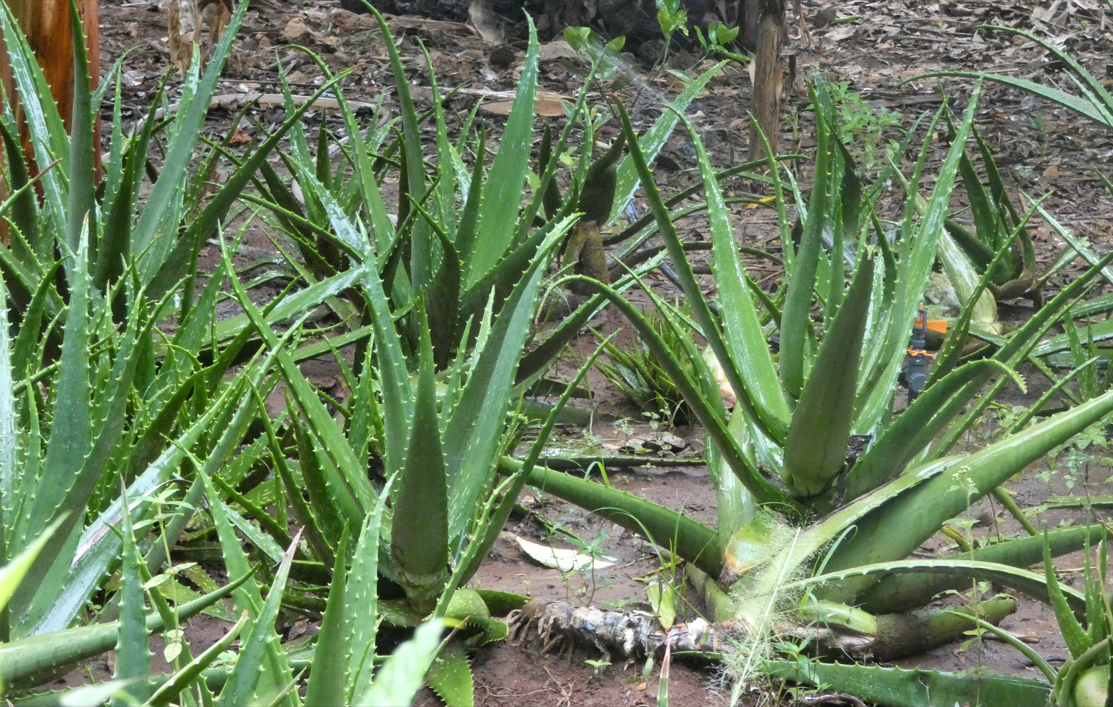
In Kitui county for example, communities have long relied on plants such as aloe, neem, and the most commonly used Kiluma (Aloe secunduflora) for treating common illnesses, supporting livestock health, and generating income through herbal products. For many households located far from formal healthcare facilities, traditional medicinal plants remain the first line of healthcare.
However, this vital resource is increasingly under threat.
Climate change has intensified drought cycles across eastern Kenya, reducing natural vegetation cover and slowing the regeneration of indigenous plant species. At the same time, rising commercial demand for herbal remedies has led to unsustainable harvesting practices, often uprooting entire plants rather than harvesting sustainably. The result is a growing tension between livelihood needs and ecological sustainability.
This issue sits at the intersection of health, livelihood, conservation, and social development.
Medicinal plants contribute to:
- Community health access, especially in rural areas
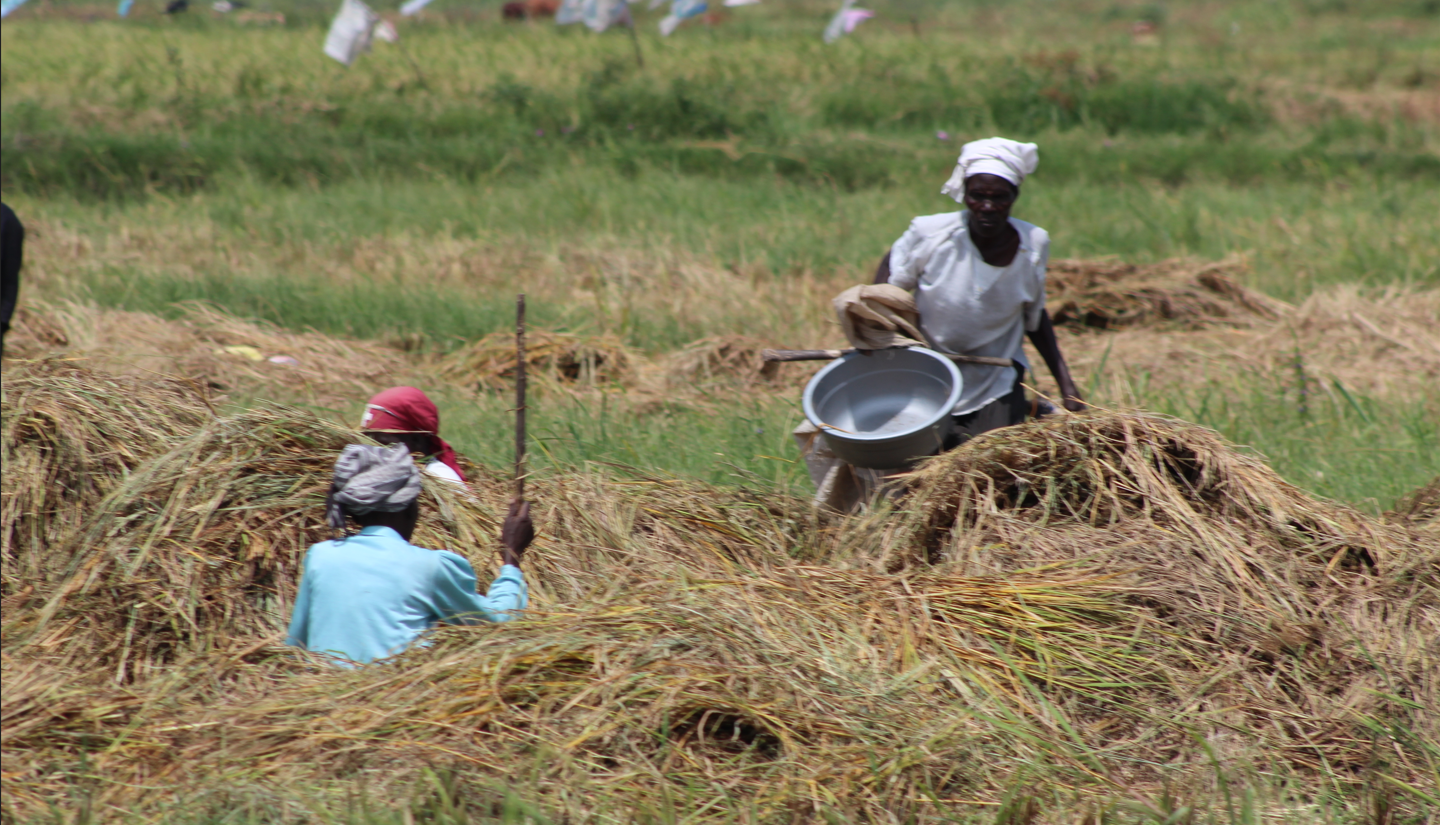
- Local livelihoods, particularly for women and youth involved in harvesting and trade
- Cultural heritage, preserving indigenous knowledge systems passed across generations
Yet without sustainable management, these benefits risk disappearing.
Kenya is beginning to see promising approaches. Community conservancies, farmer groups, and local cooperatives are experimenting with cultivation of medicinal plants instead of wild harvesting, integrating them into climate-resilient agroforestry systems. Such models protect biodiversity while creating stable income streams.
On the policy side, we note that conservation and sustainable use of wild medicinal plants often fall under environmental and biodiversity laws (e.g., protection under the Constitution’s biodiversity provisions, forestry and wildlife laws), but there’s no dedicated medicinal plants conservation statute or law yet.
At Brics, World Wildlife Day reminds us that conservation is not separate from development. Protecting medicinal and aromatic plants means protecting healthcare access, cultural identity, and economic resilience for millions of Kenyans. Understanding the distribution of ethnobotanical knowledge among individuals and the role of age, gender, and the level of education are important factors in conservation of wild medicinal plants in dryland areas of Kenya in general.
Sustainable conservation therefore requires investment in community-led stewardship, research, and policies that recognize indigenous knowledge alongside scientific innovation.
Safeguarding nature is also safeguarding people.