
Imports and Smallholder Farmers in Kenya: Opportunity or Pressure?
Imports play an important role in Kenya’s food system. They help stabilize supply when local production is low, keep food prices affordable for consumers, and fill gaps created by drought, climate shocks, or rising demand. However, for Kenya’s smallholder farmers, who produce most of the country’s food, imports can also create serious economic pressure when policies and market timing are not carefully managed.
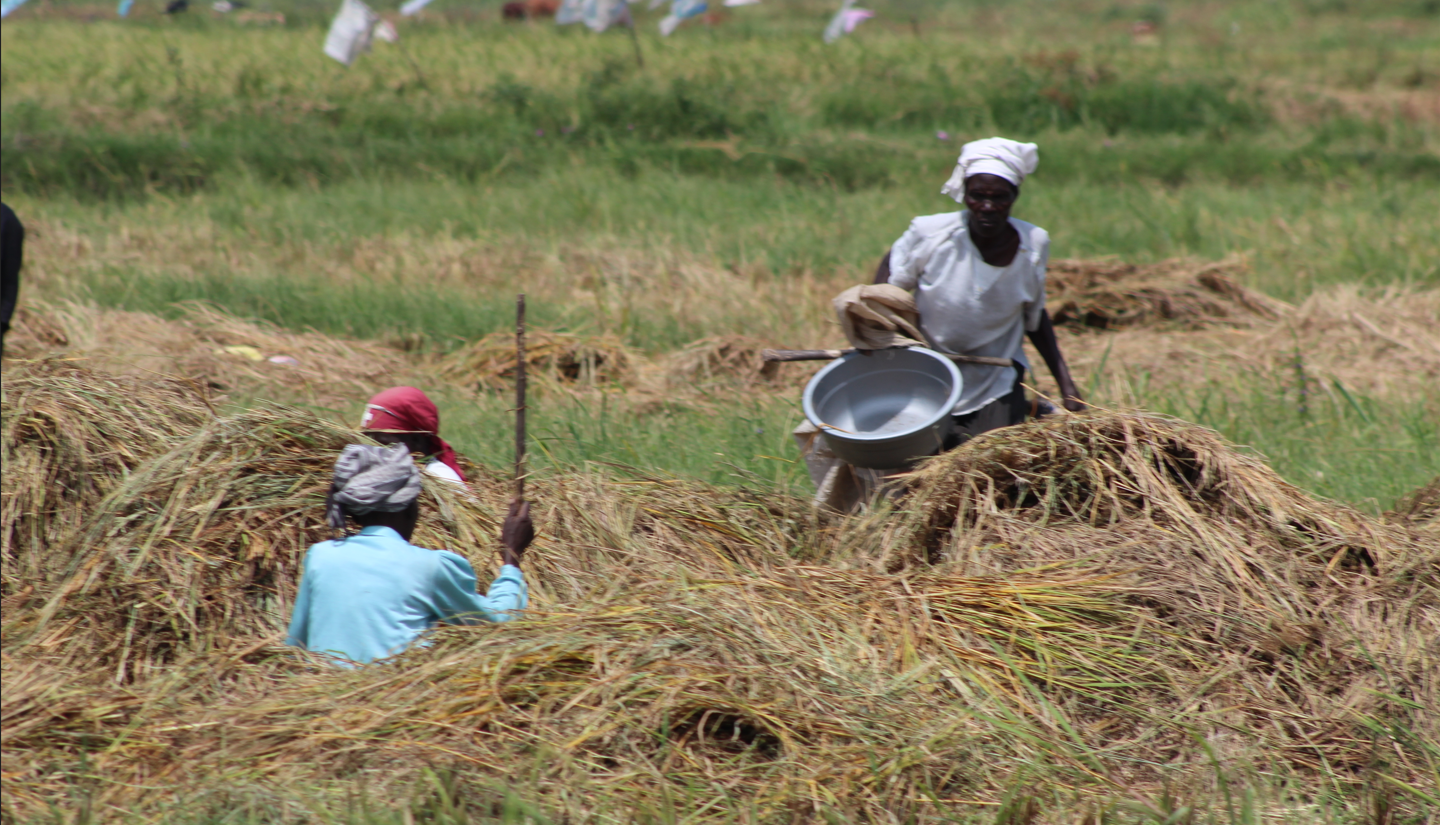
A recent situation in Mwea, Kirinyaga County highlights this tension. Rice farmers and traders reported a sharp slowdown in sales after large quantities of cheaper imported rice entered the market. Traders spent long hours waiting for customers, while farmers returned home with unsold harvests. Prices fell quickly, with Pishori rice dropping from about KSh180 per kg to KSh150, reducing the already thin profit margins.
For smallholder farmers, timing is everything. Many rely on seasonal harvest income to pay school fees, buy fertilizer, or prepare for the next planting cycle. When imports arrive during peak harvest periods, local produce must compete directly with lower-priced alternatives. Imported food is often cheaper due to large-scale production abroad, subsidies in exporting countries, or lower processing costs, among other factors. While consumers benefit from lower prices, farmers face reduced earnings and increased financial uncertainty.
The ripple effects go beyond individual households. When farmers cannot sell their crops, local economies slow down. Processors reduce purchases, transporters lose business, and rural markets become less active. In farming communities where agriculture supports many livelihoods, a weak harvest market can affect entire local value chains.
Rice provides a clear example, but the issue extends to other commodities such as maize, sugar, edible oils, and even poultry products.
Smallholder farmers frequently operate with:
• Higher production costs
• Limited access to credit
• Unpredictable weather conditions.
Sudden competition from imports can therefore feel less like healthy market competition and more like an uneven playing field.
At the same time, Kenya faces a genuine policy challenge. The country must balance farmer protection with food affordability and national food security. Imports are sometimes necessary, especially when domestic production cannot meet demand. Urban consumers depend on stable prices, and shortages can quickly lead to inflation and food insecurity.
The key question is not whether imports should exist, but how they are managed. Farmers in Mwea say they expected government support through local purchasing programs that did not materialize, highlighting the importance of policy consistency. Predictable import schedules, transparent communication, and stronger market support systems can help farmers plan production and avoid sudden price shocks.
Long-term investments, such as irrigation expansion projects like the Kobong’o scheme in Kisumu County, show that Kenya is working to increase local production capacity. However, boosting production alone is not enough. Farmers also need reliable markets, storage infrastructure, and price stabilization mechanisms to ensure that increased output translates into sustainable income