Towards Inclusive Agricuture Mechanization
Brics Insights had the pleasure of attending the ACSAM conference organized by @FAO, where the main focus was on exploring new pathways for accelerating sustainable agricultural mechanization.
A major highlight during the ACSAM conference was the panel discussion on the Framework for Sustainable Agricultural Mechanization in Africa (F-SAMA), an initiative launched by the African Union and FAO to guide policy, investment, and practices around mechanization across African countries.
F-SAMA emphasizes mechanization that:
- Enhances productivity and value chain efficiency
- Is gender responsive and socially inclusive
- Builds local capacity and entrepreneurship
- Supports climate-resilient agriculture
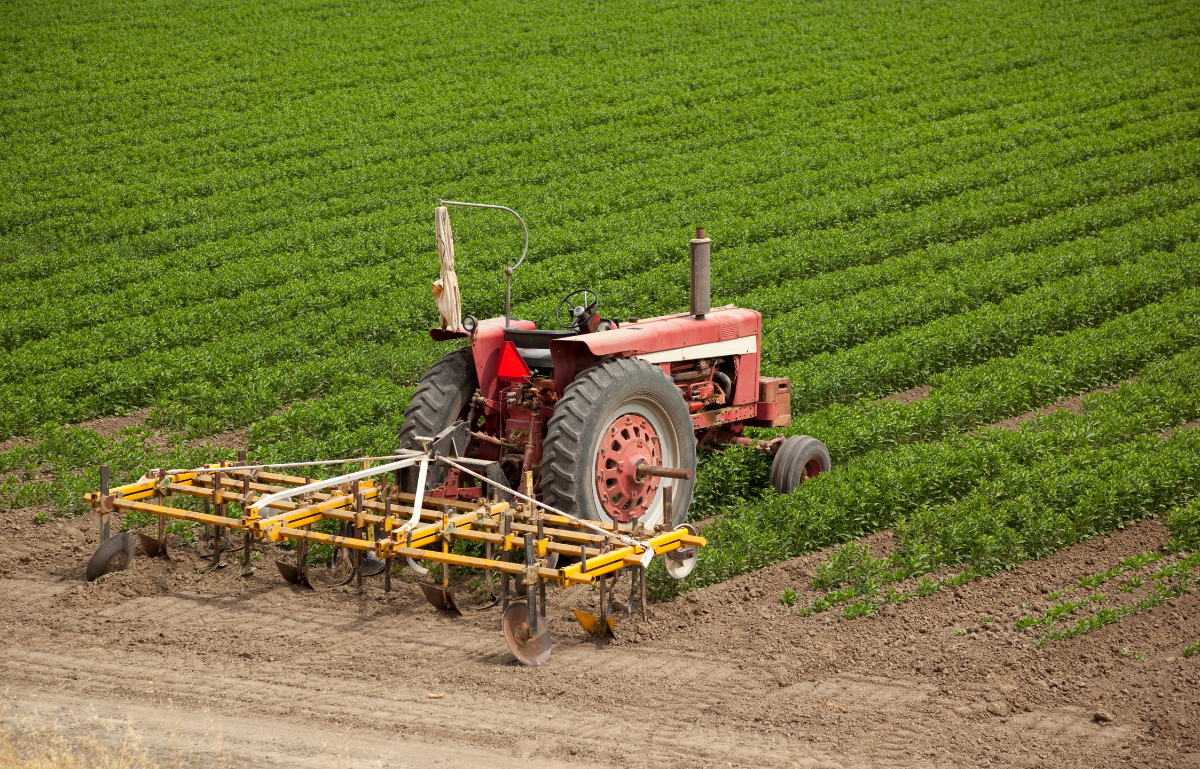
In Kenya, the pace of mechanization remains relatively low compared with global peers. According to the Ministry of Agriculture and Livestock Development (2024) only about 30% of farm power in Kenyan agriculture comes from motorized machinery, with the rest still reliant on hand tools and animal power. Around 26.3% of households had access to ploughs, 12.8% to tractors, and a mere 4% to combine harvesters in some data sets, underscoring the gap in mechanization services.
The low level of mechanization is due to a number of challenges facing the sub-sector. These include inadequate training, research, and technology development; low access, poor distribution of machinery and equipment, insufficient agricultural mechanization quality assurance, low level of investments in mechanization services, poor extension and technology adoption, and weak institutional and legal framework.
As a key starting point, F-SAMA underscores the importance of continuous, evidence-based research to guide sustainable agricultural mechanization in Africa. Key research priorities include the socio-economic impacts of mechanization on smallholder livelihoods, women’s labour, and youth employment as well as the affordability and accessibility of mechanization services.
As a social development and research think-tank, BRICS plays a critical role in gathering evidence and translating it into accessible insights for policymakers, development practitioners, and the private sector. In doing so, BRICS contributes to shaping inclusive mechanization pathways aligned with frameworks such as F-SAMA.