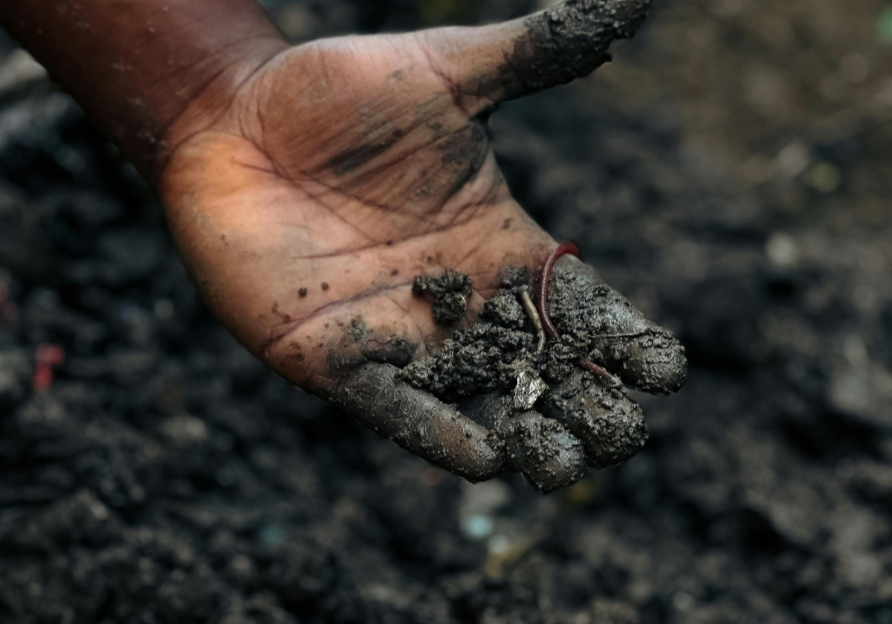
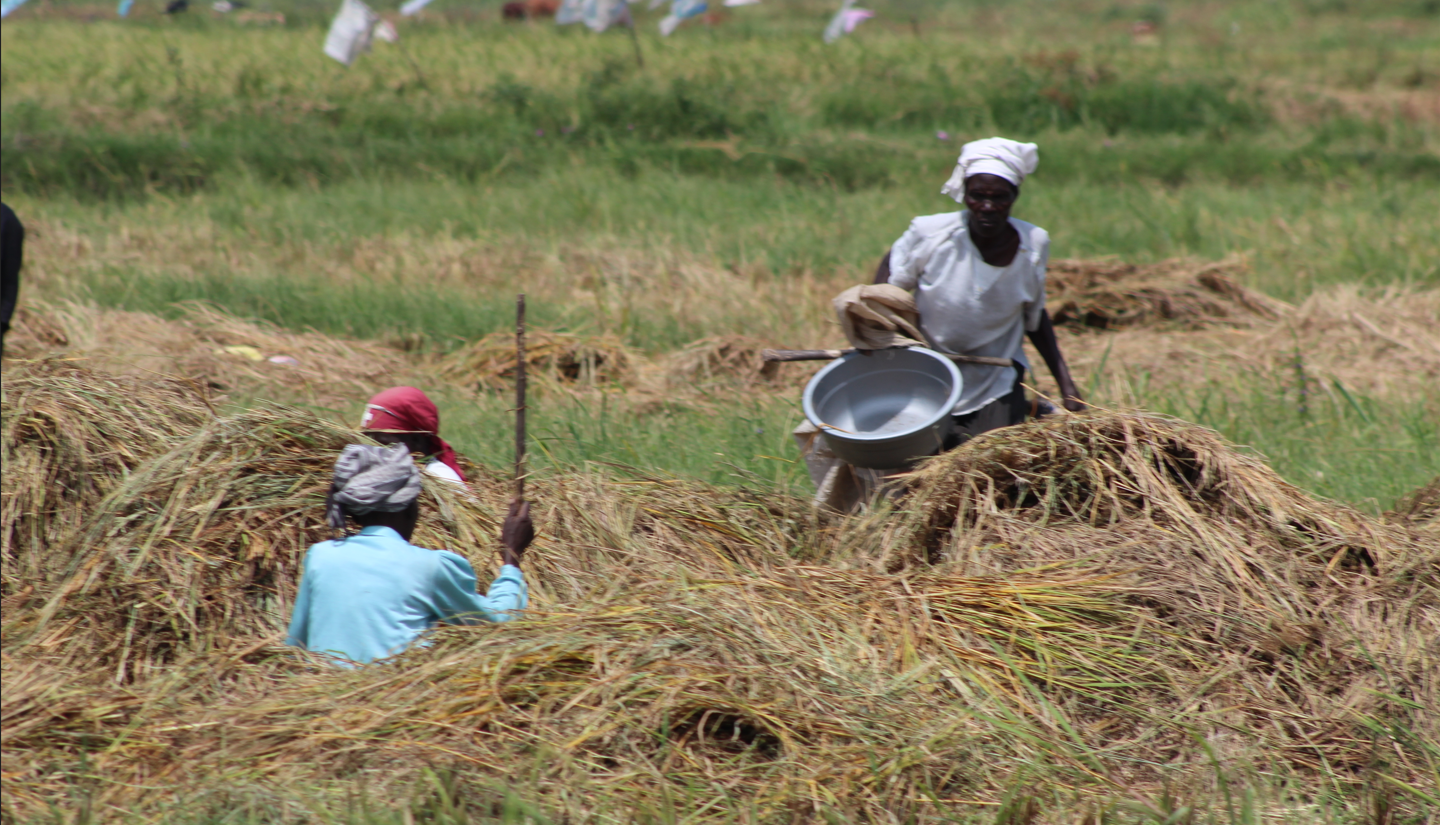
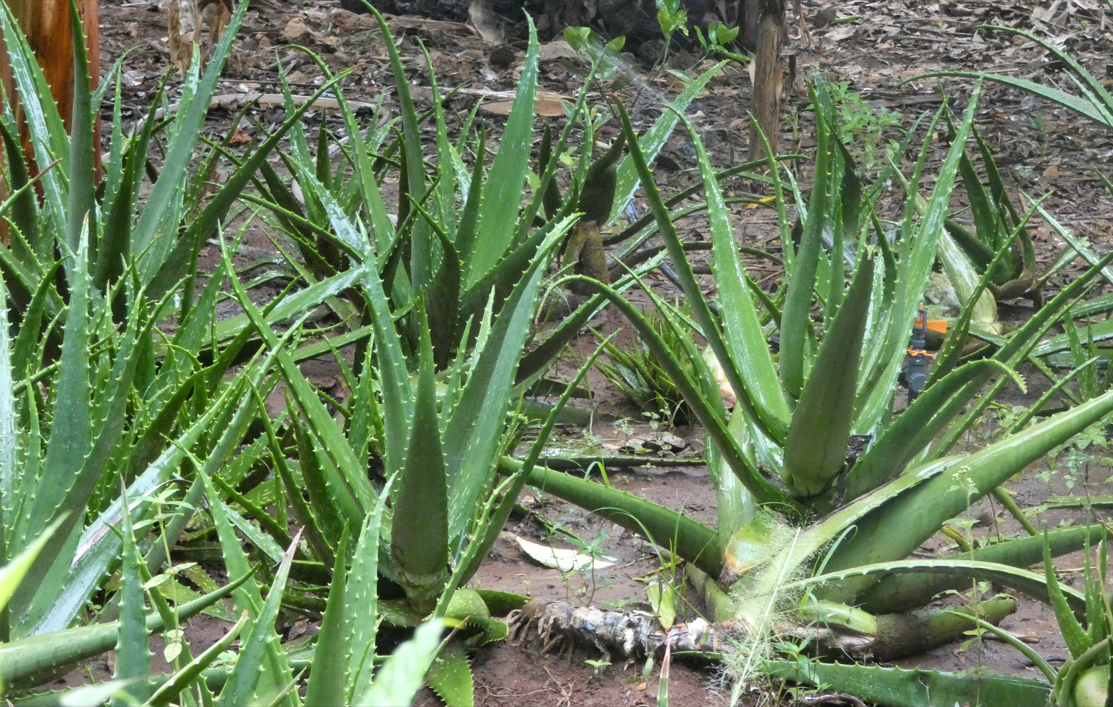
Kenya’s agriculture is at crossroads. While we often debate input subsidies, post-harvest losses, market access, and yields, we rarely talk about the foundation of all food production, “our soil.” According to NAAIAP (2014) soil test report, nearly 75% of Kenya’s arable land is acidic, and a significant proportion of farmers continue applying blanket fertilizers (DAP) that may be doing more harm than good. Even more concerning, less than 10% of smallholder farmers have ever conducted a soil test. The result? Misdiagnosed soil problems, poor yields, wasted inputs, and a cycle of poverty and food insecurity. At Brics, we’ve seen firsthand that soil testing works. It empowers farmers to apply the right inputs, improve productivity sustainably, and restore degraded soils. That’s why we are urging national and county governments, donors, and agri-stakeholders to prioritize and subsidize soil testing—especially for smallholder farmers who cannot afford it. As part of our food security and agribusiness thematic area, Brics is: Supporting farmer learning exchanges to promote peer-to-peer learning. Training smallholder farmers (especially, women, youths and PWDs) on sustainable agricultural practices Collaborating with county governments to integrate soil health into broader agricultural and climate resilience policies. The recent African Fertilizer and Soil Health Summit (2024) held in Nairobi made it clear that policies alone won’t save our soils, we need farmer-led, data-driven action on the ground. This means that integrating legumes, adopting regenerative practices, localizing fertilizer blends, and making soil testing accessible and affordable for all. The future food in Kenya doesn’t lie in bags of fertilizer, it lies on judicious application of fertilizer with understanding of the nutrient needs of the soil. It’s time to shift the narrative from input packages to soil stewardship.