The 2026 UN Biodiversity Conference (CBD COP17)
From Global Biodiversity Commitments to Local Action: What CBD COP17 Means for Kenya
The 17th meeting of the Conference of the Parties to the Convention on Biological Diversity (CBD COP17), taking place in Yerevan, Armenia, from 19 to 30 October 2026, provides an opportunity for countries to assess progress towards the Kunming-Montreal Global Biodiversity Framework and accelerate action to halt and reverse biodiversity loss.
For Kenya, these discussions come amid growing public concern over deforestation and the protection of critical ecosystems. Forest loss is not merely an environmental issue; it threatens biodiversity, water security, agricultural productivity, climate resilience and livelihoods. Addressing it requires effective forest protection alongside practical solutions to the socioeconomic pressures affecting surrounding communities.
The Mau Forest is particularly important because it serves as a major water catchment supporting rivers, agriculture and communities beyond its boundaries. Public concern over deforestation highlights the need for transparent environmental governance, consistent enforcement of conservation measures and reliable monitoring of forest conditions.
The ten-year Mau Forest Complex Integrated Conservation and Livelihood Improvement Programme (MFC-ICLIP) provides an example of an integrated approach to these challenges. Introduced in 2025, the programme seeks to achieve two interconnected objectives: conserving and restoring forest ecosystems while improving the livelihoods of surrounding communities.
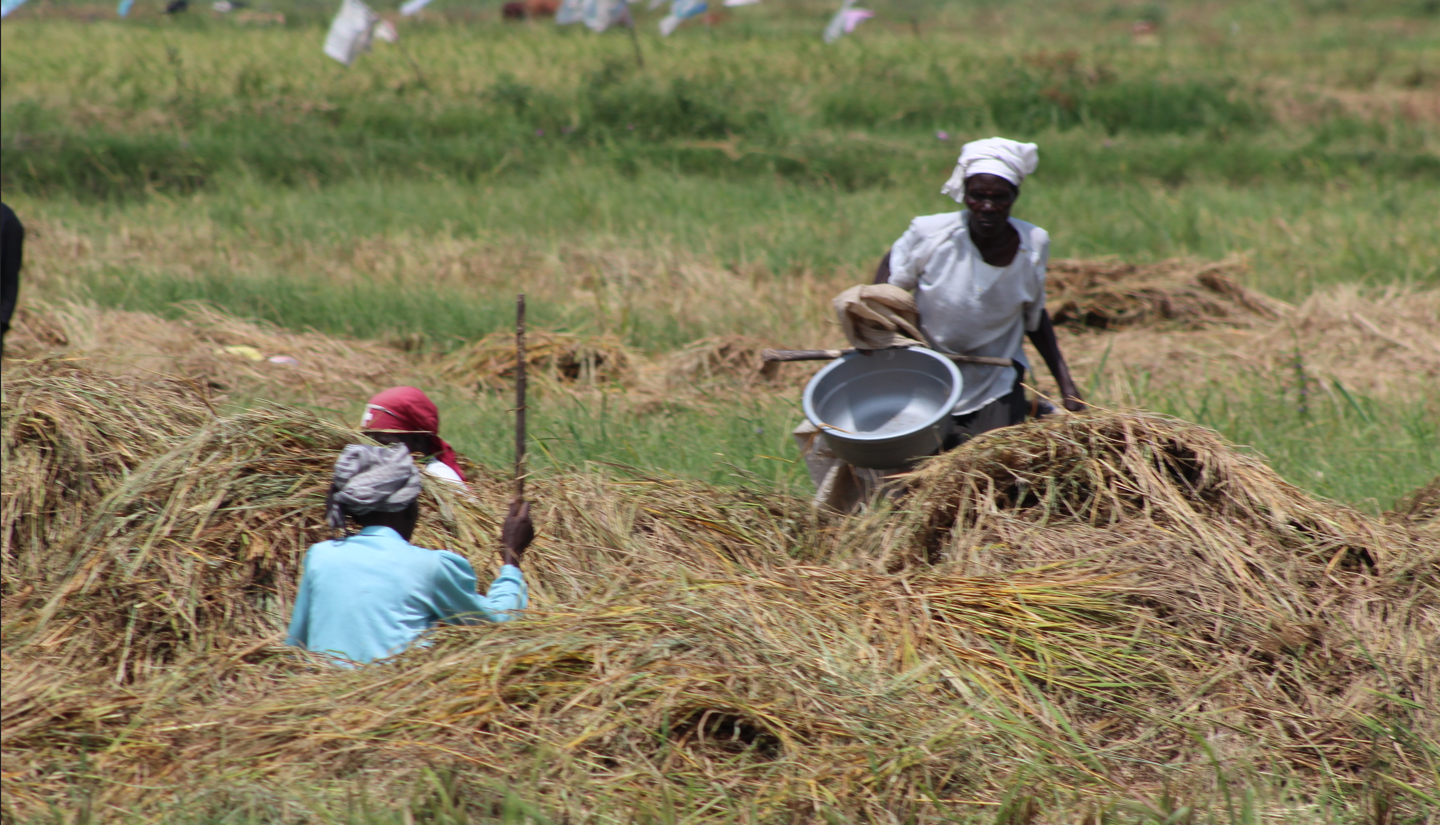
Its announced targets include restoring 33,138 hectares of forest, establishing approximately 40 million tree seedlings, rehabilitating 668 hectares of wetlands, restoring 143,803 hectares of agricultural landscapes and creating at least 100,000 green jobs. The programme recognizes that forest health is closely linked to the wider landscape and the people who depend on it. Restoration activities must therefore be complemented by sustainable agricultural practices, nature-positive enterprises and livelihood opportunities that reduce pressure on natural resources.
Kenya’s deforestation concerns demonstrate that biodiversity conservation cannot be separated from community well-being. MFC-ICLIP offers a framework for pursuing forest restoration and livelihood improvement together, but its long-term success will depend on effective implementation, sustained financing, community participation and credible monitoring.
CBD COP17 reinforces the importance of translating global biodiversity commitments into locally grounded action. Kenya can advance this goal by strengthening forest protection, investing in community-led conservation, improving biodiversity monitoring and coordinating environmental policies with agriculture, water management and local development.