Blog

BRICS BLOG POSTS

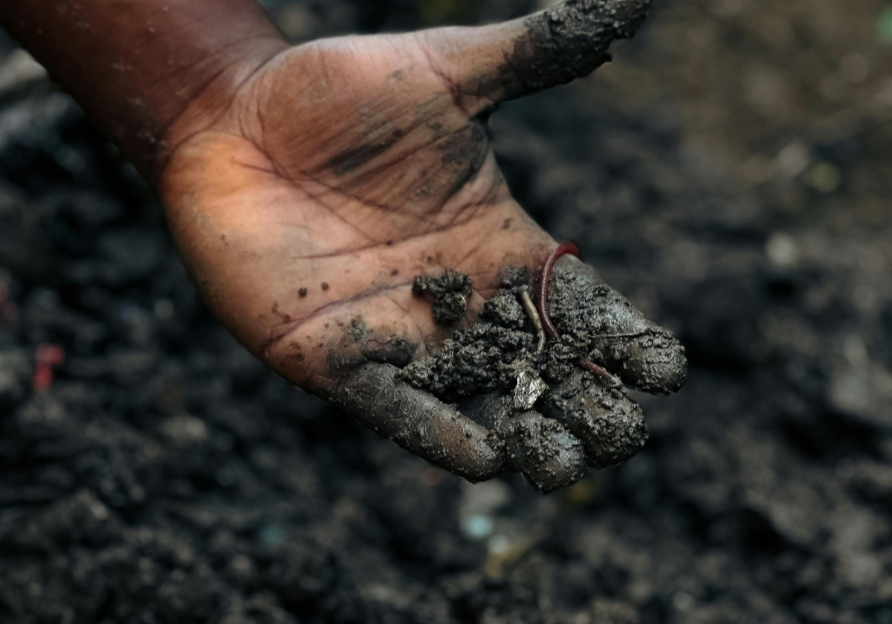
The Need for a Healthy Soil

Kenya’s agriculture is at crossroads. While we often debate input subsidies, post-harvest losses, market access, and yields, we rarely talk about the foundation of all food production, “our soil.”
According to NAAIAP (2014) soil test report, nearly 75% of Kenya’s arable land is acidic, and a significant proportion of farmers continue applying blanket fertilizers (DAP) that may be doing more harm than good. Even more concerning, less than 10% of smallholder farmers have ever conducted a soil test. The result? Misdiagnosed soil problems, poor yields, wasted inputs, and a cycle of poverty and food insecurity.

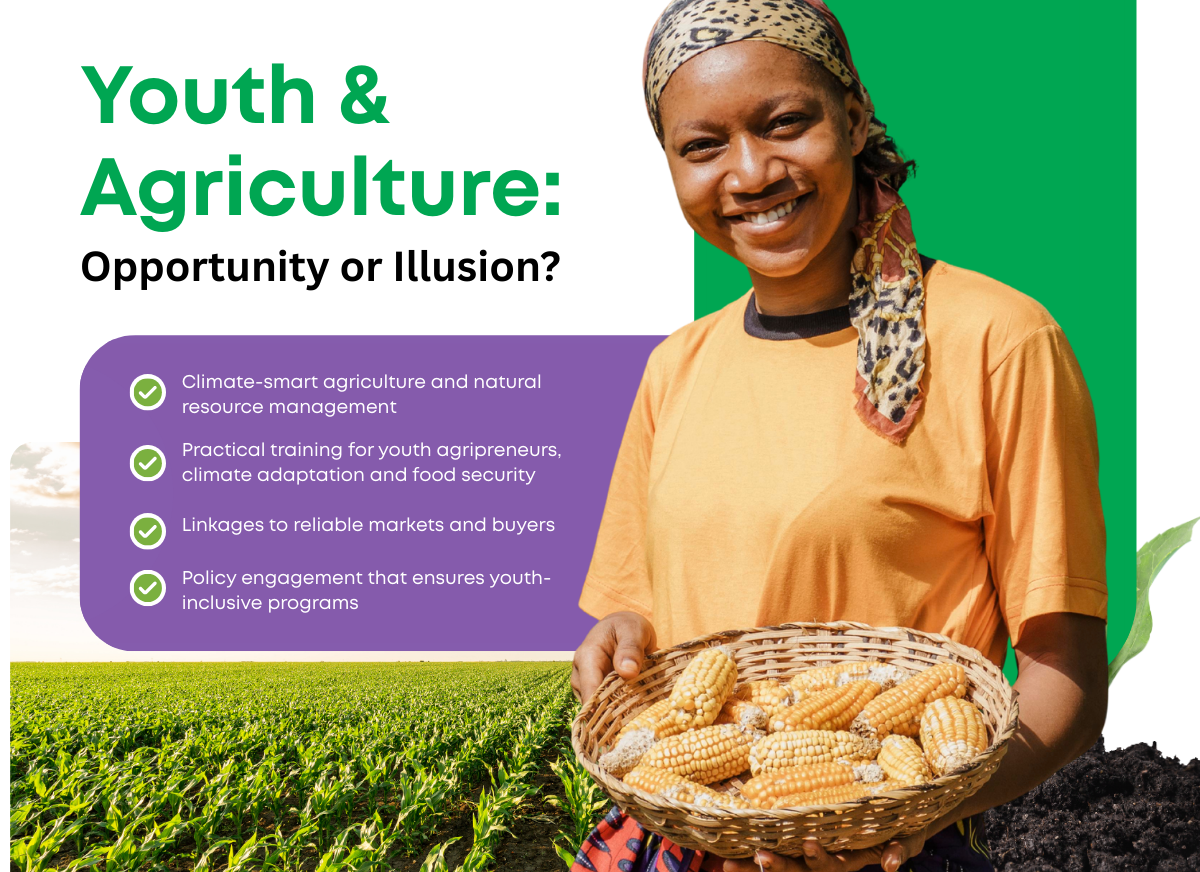
Youth and Agriculture: Opportunity or Illusion?

In Kenya, Agriculture is viewed as the cornerstone of our economy, employing majority of people (especially in rural areas). However, for the youths, it still feels like a gamble with no safety net. The average age of a Kenyan farmer is 61 years, while over 75% of Kenya’s population is under the age of 35. This generational gap in farming is a warning sign.
According to the Ministry of Agriculture and Livestock Development less than 10% of youth are actively engaged in agricultural production, a missed opportunity for both employment and innovation.

Reflections from the 4th International Conference on Financing for Development

The 4th International Conference on Financing for Development, was more than just another global dialogue. It was a powerful reminder that development finance must evolve from merely raising funds to intentionally redesigning financial systems that are inclusive, resilient, and locally owned. At BRICS, we followed the conversations closely, especially those that spoke directly to Africa’s realities and aspirations. A resounding message echoed across the sessions: Africa and the Global South must move from being recipients of development agendas to becoming architects of their own financial futures.